

:format(jpeg):mode_rgb():quality(90)/discogs-images/R-697654-1589846492-4529.jpeg.jpg)

A cocktail of chemicals has been found during a major nationwide bathing water monitoring of the River Wharfe in Ilkley.
Citizen scientists from 23 communities, including the Ilkley Clean River Group, have contributed to the largest inland bathing water quality study ever conducted in the UK, which revealed pollution with high levels of E.coli and 30 chemical pollutants found at the designated bathing site in Ilkley.
The study revealed that the River Wharfe at Ilkley had among the highest levels of E.coli and organic chemicals in the study with metformin, a drug used to treat type 2 diabetes, caffeine and nicotine being present at the highest concentrations of the chemicals tested.
The groundbreaking national study saw citizen scientists in Ilkley collect daily water samples from the Cromwheel (the testing point for bathing) for one week in the summer.
Bathing waters are traditionally monitored by the Environment Agency in England for up to 20 weeks during the bathing season, focusing primarily on two harmful bacteria, E. coli and intestinal enterococci. However, this national citizen science-led study revealed high levels of organic substances which included a cocktail of pharmaceuticals, PFAS, pesticides, vet medicines, caffeine and nicotine, with Sheeps Green on the River Cam in Cambridge seeing the highest number of organics detected at a total of 42.
The intensive monitoring at our most loved waterways highlighted the need to expand the Environment Agency monitoring regime to include a broader range of contaminants that may pose risks to human health.
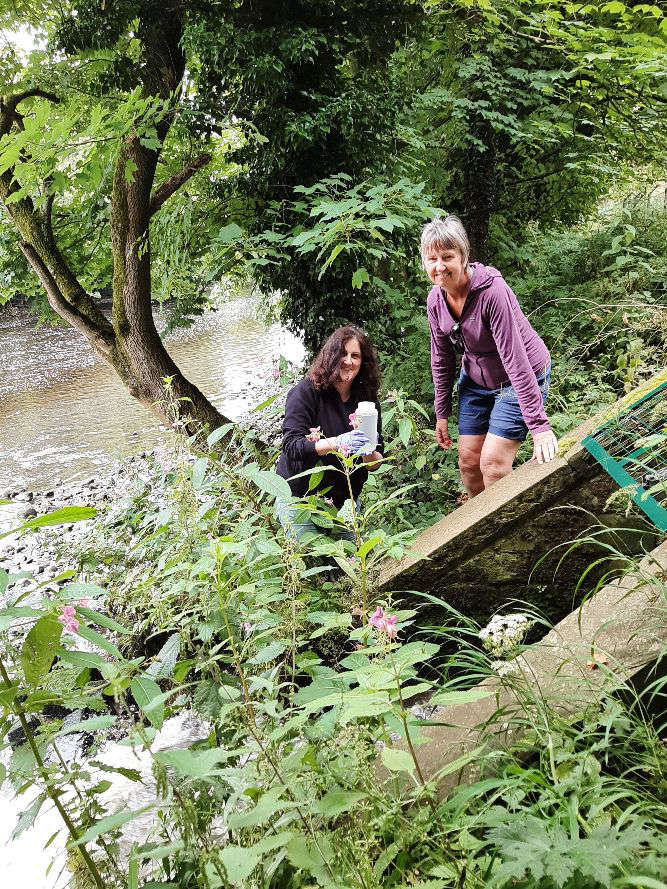
Commenting on the testing, Di Lury from the Ilkley Clean River Group said:
“The testing here in Ilkley has once again shown the presence of exceptionally high concentrations of E.coli but also found the presence of a large number of chemical contaminants. Whilst the cocktail of chemicals discovered are at levels which are unlikely to pose an immediate risk to human health there is a very real risk of further development of antibiotic resistance which is known to be one of the biggest threats for our future.
"The chemicals found here can build up in the environment and enter the food chain causing untold damage on our ecosystems. There is also very little research into the potentially harmful effects on aquatic organisms and several of the chemicals found at Ilkley are known to be very toxic to aquatic organisms and build up in them.”
Karen Shackleton founder of the Ilkley Clean River Group said
“It’s outrageous that concerned citizens are having to do thousands of hours of work to expose the sewage scandal and the resulting impact of the bacteria and chemicals entering our waters and causing untold damage to aquatic ecosystems. It highlights the utter failure of the regulators to protect our waterways and shows self-regulation by the water companies is not working.”
This citizen science study was a collaboration with Surfers Against Sewage, Watershed Investigations and the University of York to raise awareness about the quality of inland bathing waters and demand radical reform of current legislation to account for emerging pollutants that pose new threats to public health.
The findings of the study are set to inform future water quality policies and shape the direction of environmental regulations in the UK, with a government consultation on Bathing Water Regulation reform in England and Wales, welcoming responses until Monday 23 December 2024.
Giles Bristow, chief executive of Surfers Against Sewage, said:
"The saturation of our waterways with sewage pollution is well known, but these findings demonstrate there's a lot more than human waste lurking beneath the surface. With regulators and the government turning a blind eye, citizen scientists, like those in the Ilkley Clean River Group have acted to lift the lid on the toxic chemical cocktail that's leeching into our rivers, lakes and seas.
“The true environmental and health impact of this slurry of pollutants, which include banned and carcinogenic forever chemicals, are still being revealed. Yet government is allowing them to swamp the wild waters where we surf and swim, and where fragile ecosystems are already on the brink of collapse. Bathing regulations urgently need wholesale reform and the government's consultation, which is open right now, must deliver.
“These findings must be the catalyst that ends the era of inadequate water quality testing and kick-starts a future where the public are given a full picture of what's coursing through the UK's waters. We've lifted the lid, now it's time to flush the pollutants our of our rivers, lakes and seas."
To learn more about the campaign, visit www.sas.org.uk/bathingregsreform. To contribute to the government consultation, visit www.gov.uk/government/consultations/reforms-to-the-bathing-water-regulations-2013
 Airedale NHS microbiology staff announce December strike
 Classic Victorian thriller next at Ilkley Playhouse
 Review: Ilkley Concert Club, James Newby & Jong Sun Woo at King's Hall
 Ilkley's Christmas church advent and carol services
 Community group praises council’s swift response to moor fly-tipping
 Ilkley charity brings community Christmas cheer
 Frantic bidding war for Burley-In-Wharfedale auction property
 Success again for local nursery
 Route Revealed for Rudolph's Tractor Run this Sunday
 10 week A65 roadworks for essential drainage works start January
 Join Ilkley Civic Society for its Christmas walk
 Local charity refocuses its mission as demand for children’s mental health support surges
 Airedale emergency department 'exceptionally busy' with flu cases rising
 The Box Tree recognised as one of the best restaurants in Leeds
 Swing into Christmas promises an evening of festive favourites
 Local dads raise £11,892 to support Airedale Hospital and Community Charity
 Second leg of 'magical' Santa tour starts on Friday
 Yorkshire Water finally lifts five-month hosepipe ban
 Don't blame wildlife for £11.7m Kex Gill overspend, say Green councillors
 Wanted on suspicion of theft offences locally including Ilkley